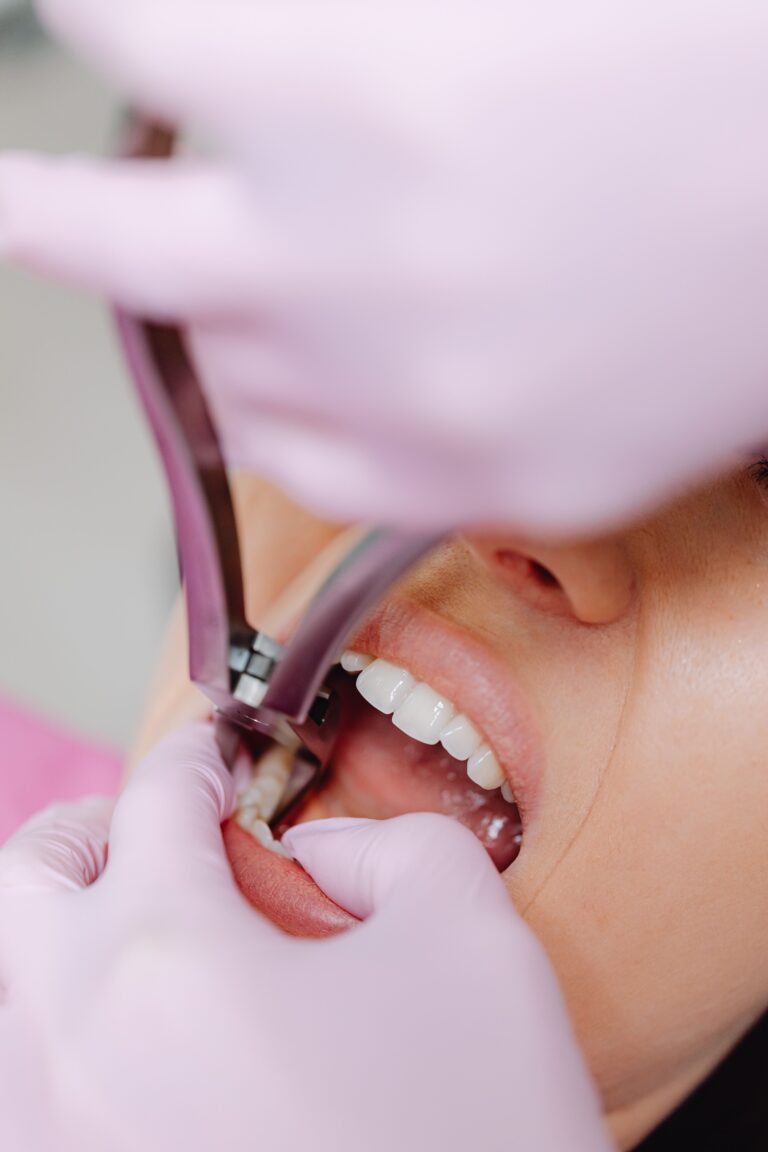
A systematic review of 24 studies on dry socket prevention opens with a figure that explains why it’s so hard to answer “how common is it?”: the incidence is approximately 3% for all routine extractions and can exceed 30% for impacted lower wisdom teeth (Taberner-Vallverdú et al., Medicina Oral, Patología Oral y Cirugía Bucal, 2017). One condition, two very different answers.
If you’ve had a tooth out and the pain is getting worse instead of better, that’s the question behind your search. This guide covers what dry socket feels like, how common it is, what raises the risk, how it’s prevented and treated, and when to call. It’s written for adults, since Dr. Shreya doesn’t treat children.
Key Takeaways Dry socket affects about 3% of routine extractions and can exceed 30% for impacted lower wisdom teeth, according to a 2017 review. A 2022 meta-analysis of 11 studies found 13.2% of smokers developed it against 3.8% of non-smokers. Severe pain starting a few days after extraction, with a visible empty socket, is the typical pattern. A dentist treats it; it doesn’t need to be endured.
What Is Dry Socket, and What Does It Feel Like?
Dry socket, or alveolar osteitis, is the partial or total loss of the blood clot in the extraction socket, leaving bone exposed. A 2022 systematic review describes it as causing severe pain that usually starts one to five days after the extraction, with exposed bone, debris in the socket, bad breath and tenderness on examination (Kuśnierek et al., Dentistry Journal, 2022).
So the usual pattern is: the first day or two go normally, then the pain returns or sharpens rather than fading, sometimes with a bad taste or bad breath, and a socket that looks empty with bone showing rather than dark and filled.
A normal extraction socket is sore for several days and improves. The NHS trust guidance reviewed for Tooth Extraction: What to Expect, Recovery, and Aftercare says to contact your dentist if pain isn’t improving or is getting worse after 3 days. That rule catches dry socket as well as other problems.
How Common Is Dry Socket?
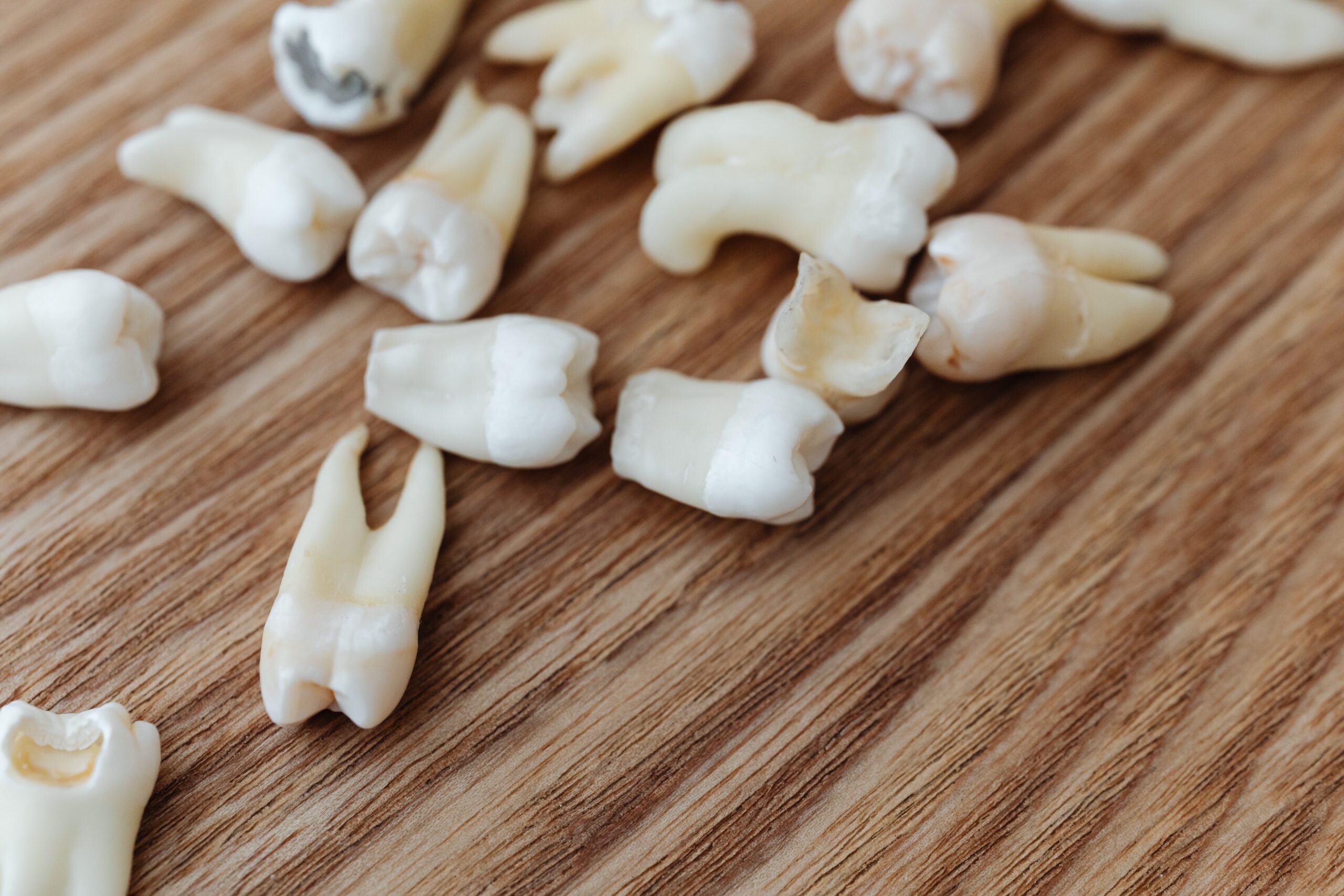
It depends heavily on which tooth was removed. The 2017 systematic review’s introduction gives about 3% for routine extractions and over 30% for impacted lower third molars, citing a 2011 Irish Dental Association paper (Taberner-Vallverdú et al., 2017). I haven’t read that original paper, and the figures come from the review’s introductory text, so treat them as an indication rather than a measured rate.
Why the spread? Impacted lower wisdom teeth are harder to remove, and definitions of dry socket differ between studies, so figures vary even for the same tooth. A routine extraction of a simple tooth in a non-smoker carries a comparatively low risk.
[CITATION CAPSULE] Dry socket is rare after simple extractions, at about 3%, but can exceed 30% after removal of impacted lower wisdom teeth, according to the introduction of a 2017 systematic review of 24 studies. Because definitions differ between studies, any single figure should be read as a range (Taberner-Vallverdú et al., Medicina Oral, Patología Oral y Cirugía Bucal, 2017).
What Raises the Risk?
Smoking is the best-documented factor. A 2022 systematic review of 11 studies found smokers had more than three times the odds of dry socket, with a pooled incidence of about 13.2% in smokers against about 3.8% in non-smokers (Kuśnierek et al., Dentistry Journal, 2022).
Shisha is common in the Gulf, and one study speaks to it directly. A study of 300 patients compared non-smokers, cigarette smokers and shisha (water pipe) smokers after lower wisdom tooth removal. Smokers had 2 to 3 times the risk of non-smokers, shisha smokers about 3 times, and the difference between shisha and cigarette smokers wasn’t statistically significant. Smoking on the day of surgery raised risk most (Al-Belasy, Journal of Oral and Maxillofacial Surgery, 2004).
[UNIQUE INSIGHT] In this study shisha carried a risk similar to cigarettes, so when your dentist asks about smoking before an extraction, include shisha in your answer.
Other factors are less certain. A 2018 narrative review said surgical difficulty, the surgeon’s experience, oral contraceptive use and oral hygiene had stronger evidence, while age, sex and smoking were “rather inconclusive” in the studies it reviewed (Rakhshan, Journal of Stomatology, Oral and Maxillofacial Surgery, 2018). That review is older and less rigorous than the 2022 meta-analysis, so the two don’t cleanly cancel out. The safest reading: smoking probably raises risk, and several other factors may too.
How Is Dry Socket Prevented?
Aftercare that protects the clot matters most: no rinsing or spitting for the first 24 hours, no smoking and no alcohol, based on NHS trust leaflets (Wirral Community Health and Care NHS Foundation Trust, reviewed August 2025). Our full aftercare timeline is in the tooth extraction guide.
What about antibiotics? A 2021 Cochrane review of 23 trials found low-certainty evidence that antibiotics may reduce dry socket after wisdom tooth removal by 34%, with 46 people needing treatment to prevent one case (Lodi et al., Cochrane Database of Systematic Reviews, 2021). A 2024 network meta-analysis estimated 25 needed, and called that number high (Camps-Font et al., International Journal of Oral and Maxillofacial Surgery, 2024). For most patients, the dentist will weigh benefit against resistance and side effects.
Chlorhexidine rinses have been studied for years with mixed results; a 2005 meta-analysis concluded that rinsing on the day of surgery and several days afterwards may reduce the incidence (Caso et al., Oral Surgery, Oral Medicine, Oral Pathology, Oral Radiology, and Endodontology, 2005). The abstract’s wording on the single-rinse group isn’t clear enough for me to quote its numbers, so rely on your own dentist’s protocol rather than starting a rinse yourself.
How Is Dry Socket Treated?
A dentist can relieve it. The usual approach is to gently clean the socket, then place a medicated dressing and give advice on pain relief, with a follow-up if needed. The pain tends to settle once the socket is protected and healing resumes. This is standard practice rather than a trial result, so I’ve not quoted numbers.
Don’t try to treat it yourself by poking at the socket or packing it with home remedies. Ibuprofen or paracetamol can take the edge off while you arrange an appointment, if they’re safe for you. For what else counts as urgent, including swelling and fever, see Toothache: Causes, Relief, and When It Becomes an Emergency.
When Should You Call, and Can You Be Seen the Same Day?
Call if pain is worsening 2 to 5 days after an extraction, if the socket looks empty, if there’s a bad taste or smell, or if painkillers aren’t working. Call sooner and treat it as urgent if you have a fever, swelling spreading in the face or neck, or difficulty swallowing or breathing.
Sofia Smile Clinic handles same-day emergency care. Tell the front desk you have an emergency, and they’ll arrange what they can. We’re open Saturday to Thursday, 11:00 to 20:00, closed on Fridays, so if pain starts on a Friday, you may need an out-of-hours emergency service until we reopen.
If you smoke or use shisha and you’re planning an extraction, it’s worth planning ahead: stopping before and after the extraction is the most direct step in your control. The effects of smoking on healing around implants are covered in Diabetes, Smoking, and Dental Implant Risk Factors.
Frequently Asked Questions
How long does dry socket last?
I haven’t found a trial-based figure for duration. Pain usually improves once a dentist cleans and dresses the socket, and the socket then heals normally. Don’t wait it out: untreated, it can drag on and leaves exposed bone sore.
Can dry socket heal on its own?
The socket will eventually heal, but the pain can be severe in the meantime. Because a dentist can relieve it, there’s little reason to endure it. If pain is getting worse after 3 days, contact your dentist.
Is dry socket an infection?
It’s defined as loss of the blood clot with exposed bone, not as an infection, though antibiotic studies measure infection and dry socket together. A Cochrane review found antibiotics may reduce both after wisdom tooth removal. If you have fever or swelling, treat it as possible infection.
Can I get dry socket after a simple extraction?
Yes, but it’s less common. The 2017 review puts incidence at about 3% for routine extractions against over 30% for impacted lower wisdom teeth. Smoking, difficult surgery and poor oral hygiene may raise the risk further.
Does dry socket happen more with wisdom teeth?
Yes. Impacted lower wisdom teeth had the highest reported incidence, above 30% in the review’s introduction. Their removal is more involved, in denser bone. If you’re having one removed, ask what your dentist does to lower the risk.
Conclusion
Dry socket is uncommon after routine extractions, more common after impacted lower wisdom teeth, and more than three times as likely in smokers. The warning pattern is pain that gets worse, not better, a few days after the extraction.
If that’s you now, don’t wait: call your dentist, tell them what you’re feeling, and say it’s an emergency. You can contact Sofia Smile Clinic in Dubai Silicon Oasis for same-day emergency care during opening hours.
Sources
- Taberner-Vallverdú M, Sánchez-Garcés MÁ, Gay-Escoda C, Efficacy of different methods used for dry socket prevention and risk factor analysis: A systematic review, Medicina Oral, Patología Oral y Cirugía Bucal 2017, retrieved 2026-11-16 (Tier 1 article; incidence figures from its introduction, citing Bowe DC et al., J Ir Dent Assoc 2011, which was not read, so Tier 3 for those figures)
- Kuśnierek W, Brzezińska K, Nijakowski K, Surdacka A, Smoking as a Risk Factor for Dry Socket: A Systematic Review, Dentistry Journal 2022, retrieved 2026-11-16 (Tier 1, 11 studies, abstract-level data)
- Al-Belasy FA, The relationship of “shisha” (water pipe) smoking to postextraction dry socket, Journal of Oral and Maxillofacial Surgery 2004, retrieved 2026-11-16 (Tier 2, 300 patients, abstract-level data; the abstract doesn’t name the country, so the post doesn’t claim one)
- Rakhshan V, Common risk factors of dry socket (alveolitis osteitis) following dental extraction: A brief narrative review, Journal of Stomatology, Oral and Maxillofacial Surgery 2018, retrieved 2026-11-16 (Tier 3, narrative review, abstract-level data)
- Lodi G, Azzi L, Varoni EM, Pentenero M, Del Fabbro M, Carrassi A, Sardella A, Manfredi M, Antibiotics to prevent complications following tooth extractions, Cochrane Database of Systematic Reviews 2021, retrieved 2026-11-16 (Tier 1, abstract-level data)
- Camps-Font O, Sábado-Bundó H, Toledano-Serrabona J, Valmaseda-de-la-Rosa N, Figueiredo R, Valmaseda-Castellón E, Antibiotic prophylaxis in the prevention of dry socket and surgical site infection after lower third molar extraction: a network meta-analysis, International Journal of Oral and Maxillofacial Surgery 2024, retrieved 2026-11-16 (Tier 1, abstract-level data)
- Caso A, Hung LK, Beirne OR, Prevention of alveolar osteitis with chlorhexidine: a meta-analytic review, Oral Surgery, Oral Medicine, Oral Pathology, Oral Radiology, and Endodontology 2005, retrieved 2026-11-16 (Tier 1, 7 trials, abstract-level data, used qualitatively only)
- Wirral Community Health and Care NHS Foundation Trust, Advice after tooth extractions, page last reviewed 21 August 2025, retrieved 2026-11-16 (Tier 1 NHS body, patient leaflet)
- Dry socket treatment description is general clinical practice (Tier 4); Sofia Smile Clinic hours and emergency handling are the clinic’s own statements (Tier 4)