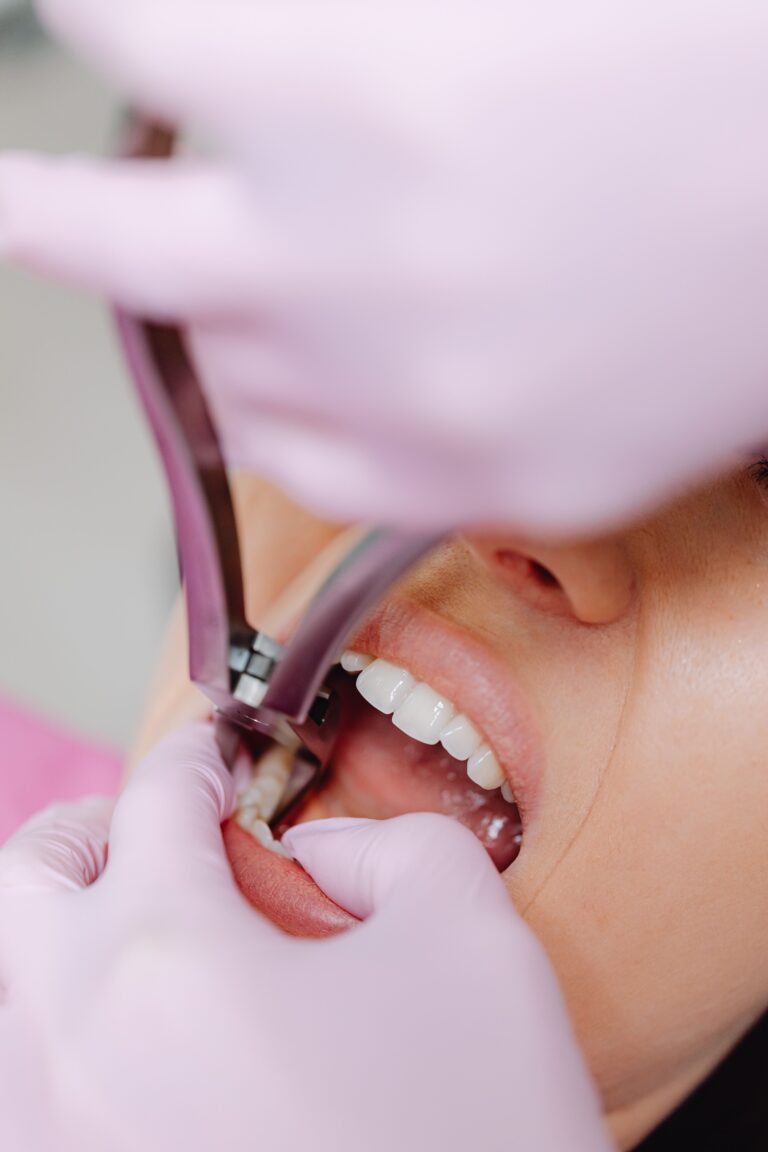
The NHS puts the cause of most gum disease in one line: a build-up of plaque on the teeth that irritates the gums. Its first symptom is gums that bleed when you brush, floss or eat hard foods, and that become swollen, red and sore (NHS, Gum disease, last reviewed April 2026).
So blood in the sink isn’t something to ignore, and it isn’t something to panic about either. This guide covers why gums bleed and swell, how common gum disease is, what you can do at home (and what the evidence says about floss), which other causes to consider, and when to book a dentist. It’s written for adults, since Dr. Shreya doesn’t treat children.
Key Takeaways The NHS says gum bleeding on brushing or eating hard foods is a reason to see a dentist, and loose teeth, ulcers, red patches or very sore swollen gums call for an urgent appointment. In WHO data covering adults, calculus was found in 44.6% and periodontitis in 28.7% to 43.7% by country income group. Trials show self-cleaning alone often isn’t enough.
Why Do Gums Bleed or Swell?
Plaque is a sticky film of bacteria that forms on teeth constantly. If it’s left in place, the gums react with inflammation: they become red, puffy and bleed easily. The NHS describes this and notes it can lead to bad breath, shrinking gums, loose or falling-out teeth, and a dental abscess if it’s not treated (NHS, Gum disease, last reviewed April 2026).
Bleeding is the body’s signal of inflammation, and brushing harder doesn’t fix it; cleaning the same area thoroughly and consistently does, and the bleeding usually eases as the gum settles. Brushing and cleaning between the teeth is the routine the NHS recommends: brush with fluoride toothpaste at least twice a day, clean between teeth daily with floss or interdental brushes, spit without rinsing after brushing, don’t smoke, and keep up regular check-ups (NHS, Gum disease, last reviewed April 2026).
Is It Gingivitis or Periodontitis?
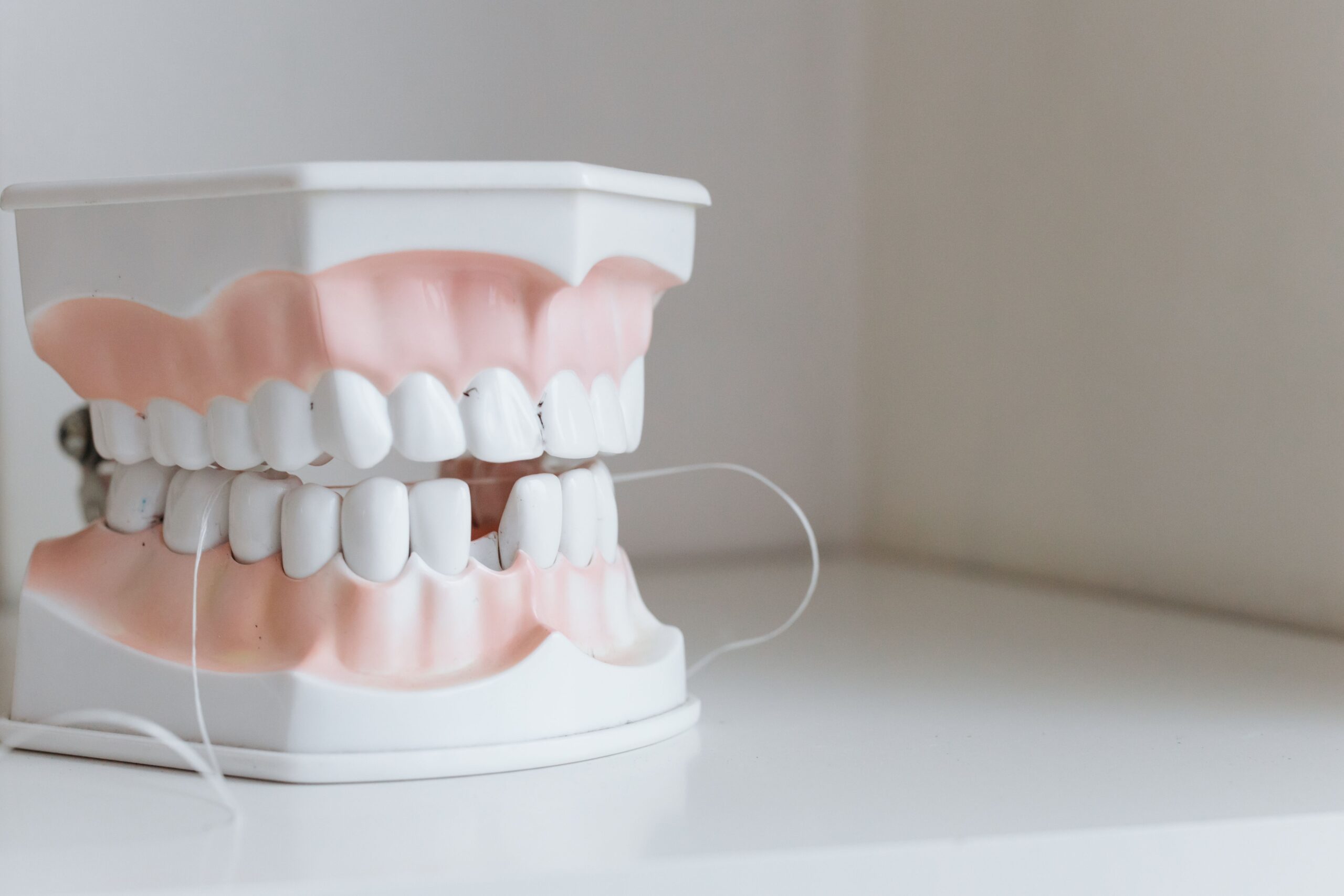
Gingivitis is inflammation limited to the gums, and it can be reversed with good cleaning. Periodontitis is when the inflammation has begun to destroy the bone and fibres holding the tooth, which is where shrinking gums and loose teeth come in. A dentist tells them apart by measuring the gaps between gum and tooth, checking for bleeding and taking X-rays. You can’t tell by looking in the mirror.
If gum disease is already established, it matters before other dental work: Gum Disease and Dental Implants: Why Treatment Order Matters and Veneers With Gum Disease explain why.
How Common Is Gum Disease?
Very. A 2020 analysis of World Health Organization data found calculus in 44.6% of adults, while bleeding on probing as the worst finding was recorded in 8.9% of adults. Periodontitis (CPITN codes 3 and 4) appeared in 28.7% of adults in low-income countries, 10% in lower-middle-income, 42.5% in upper-middle-income and 43.7% in high-income countries (Nazir et al., The Scientific World Journal, 2020).
[CITATION CAPSULE] In a 2020 analysis of World Health Organization data, 44.6% of adults had calculus, and periodontitis was found in 28.7% to 43.7% of adults depending on national income level, with the highest rates in upper-middle and high-income countries. The authors concluded periodontal disease increases with age and that worldwide surveillance is lacking (Nazir et al., The Scientific World Journal, 2020).
I don’t have a UAE-specific figure. The data are ecological, based on an older index, and aren’t a measure of your own risk. What they show is that some degree of gum disease is the usual state of adult mouths, not a rare one.
What Actually Helps at Home?
Better plaque removal, but self-cleaning is harder than it sounds. A 2005 systematic review of 33 trials found that in adults with gingivitis, the quality of self-performed plaque removal with a manual toothbrush wasn’t sufficiently effective and should be improved. A single instruction on brushing plus one professional clean at baseline gave a small but significant reduction in gingivitis (van der Weijden and Hioe, Journal of Clinical Periodontology, 2005).
What about floss? A 2008 systematic review of 11 publications found that most studies showed no benefit from adding floss to toothbrushing for plaque or gingivitis, concluding that a routine instruction to floss isn’t supported by the evidence and that dentists should judge, patient by patient, whether high-quality flossing is achievable (Berchier et al., International Journal of Dental Hygiene, 2008).
[UNIQUE INSIGHT] The two reviews point the same way. Technique matters more than the tool, and a professional clean plus personal instruction does more than a leaflet. The NHS still recommends cleaning between your teeth daily, using floss or interdental brushes, so ask your dentist or hygienist which one you can use well.
If you want to know what a professional clean involves and costs, see Teeth Cleaning in Dubai. If bleeding gums come with bad breath, see Bad Breath: What Causes It and What Actually Helps.
What Else Can Make Gums Swell or Bleed?
Plaque is the commonest cause, but not the only one. The NHS says gum symptoms together with ulcers or red patches, or a lump in the mouth or on the lip, need an urgent dentist appointment (NHS, Gum disease, last reviewed April 2026). Other factors dentists check include smoking, medication side effects, hormonal changes, and general health conditions such as diabetes.
I haven’t quoted figures for those, because none of the sources used here covers them. If your gums bleed with no obvious plaque problem, or with unusual tiredness, bruising or other bleeding elsewhere, speak to your doctor as well as your dentist.
A swollen, painful area on the gum with a bad taste or a swollen face may be an abscess rather than simple gum disease. That needs the urgent route described in Toothache: Causes, Relief, and When It Becomes an Emergency.

When Should You See a Dentist?
For bleeding, book a visit. The NHS says to see a dentist if your gums bleed when brushing or eating hard foods, are painful and swollen, or cause bad breath. It says to ask for an urgent appointment if you have very sore and swollen gums, loose or falling-out teeth, ulcers or red patches, or a lump in the mouth or on the lip. It also advises a check-up if you haven’t had one for 2 years (NHS, Gum disease, last reviewed April 2026).
A dentist will measure the gap between your gums and teeth, check how much plaque and calculus is present, take X-rays if needed, and arrange a scale and polish or deeper cleaning. Whether you need a visit every 6 months or a different interval is covered in Teeth Cleaning in Dubai.
Sofia Smile Clinic is open Saturday to Thursday, 11:00 to 20:00, closed on Fridays, and bills all insurers directly except Sukoon and GIG, which are handled as reimbursement. If swelling is severe, or you have a fever or trouble swallowing, tell the front desk it’s an emergency; same-day emergency care is handled.
Frequently Asked Questions
Why do my gums bleed when I brush?
Most often because plaque has inflamed them. The NHS says bleeding on brushing, flossing or eating hard foods is a gum disease sign and a reason to see a dentist. Brushing harder doesn’t help; cleaning thoroughly and consistently does.
Will bleeding gums go away on their own?
Not if plaque remains. The NHS cause is plaque build-up, so the fix is removing it. A 2005 review found a professional clean plus brushing instruction gave a small but significant improvement in gingivitis. If bleeding keeps coming back, see a dentist.
Does flossing stop gum bleeding?
Not reliably. A 2008 review of 11 publications found most studies showed no added benefit from floss on plaque or gingivitis when people already brushed, so a routine instruction to floss isn’t evidence-based for everyone. The NHS still advises cleaning between teeth daily.
Are swollen gums an emergency?
Usually not, but some signs are urgent. The NHS says to ask for an urgent dentist appointment for very sore, swollen gums, loose teeth, ulcers or red patches, or a lump. Trouble breathing or swallowing needs emergency care.
Do bleeding gums affect implants?
Yes, the same inflammation can affect the tissue around an implant. Our guide to dental implant problems explains peri-implantitis and when to call.
Conclusion
Bleeding and swollen gums usually trace back to plaque, and they’re common: calculus was found in 44.6% of adults in WHO data. The fix is thorough cleaning, plus a professional clean and technique instruction, since self-cleaning alone often isn’t enough.
See a dentist if your gums bleed on brushing, and urgently if you have loose teeth, ulcers, red patches, a lump or severe swelling. You can book a gum check at Sofia Smile Clinic in Dubai Silicon Oasis, where Dr. Shreya will explain what she finds and what’s needed.
Sources
- NHS, Gum disease, last reviewed 20 April 2026, retrieved 2026-11-16 (Tier 1, official UK health service)
- Nazir M, Al-Ansari A, Al-Khalifa K, Alhareky M, Gaffar B, Almas K, Global Prevalence of Periodontal Disease and Lack of Its Surveillance, The Scientific World Journal 2020, retrieved 2026-11-16 (Tier 2, ecological analysis of WHO databank, abstract-level data; CPITN-based)
- van der Weijden GA, Hioe KP, A systematic review of the effectiveness of self-performed mechanical plaque removal in adults with gingivitis using a manual toothbrush, Journal of Clinical Periodontology 2005, retrieved 2026-11-16 (Tier 1, 33 trials, abstract-level data)
- Berchier CE, Slot DE, Haps S, Van der Weijden GA, The efficacy of dental floss in addition to a toothbrush on plaque and parameters of gingival inflammation: a systematic review, International Journal of Dental Hygiene 2008, retrieved 2026-11-16 (Tier 1, 11 publications, abstract-level data)
- Stage definitions (gingivitis reversible, periodontitis involves bone loss) and the dentist’s examination steps are general periodontal teaching (Tier 4); Sofia Smile Clinic hours, billing and emergency handling are the clinic’s own statements (Tier 4)